
https://www.youtube.com/watch?v=810k5mEo9Oc

Part of the challenge - in addition to new standards, tech integration and overall pedagogical overhaul (technical) - is how school looks and feels (culture). With the demands of changing students in a rapidly evolving world, this often gets summarized as personalized education. Again, this is as much related to culture vs. technical. One of the many ways to think about how we re-create the learning experiences for our students at much higher levels could be to UNSCHOOL SCHOOL. In addition to weak or outdated curriculum and instruction, school often SUCKS for our students due to the many daily things that schools do that just make school look and feel even worse.

HERE ARE 11 WAYS TO UNSCHOOL YOUR SCHOOL
(Why 11? Because it goes to 11)
- ASK THE STUDENTS….ABOUT EVERYTHING. Ask all students about all aspects of the school and ask them often. Teachers and administrators should survey students regularly (at least several times a year) about their learning experiences and how the staff can work to continually improve them. However, it doesn’t stop there. Students should be in on the rules, procedures, processes, handbook, hiring, schedules, facilities, course needs, purchasing and more. Trust me….students have great ideas and we rarely consult them. If you want to have responsible students who are truly prepared for their futures, turn as much of the school over to them. It’s called Democratization (maybe our leaders can learn how this is done). A truly student-centered school could be a tough transition for many adults, but so much better for students and learning.
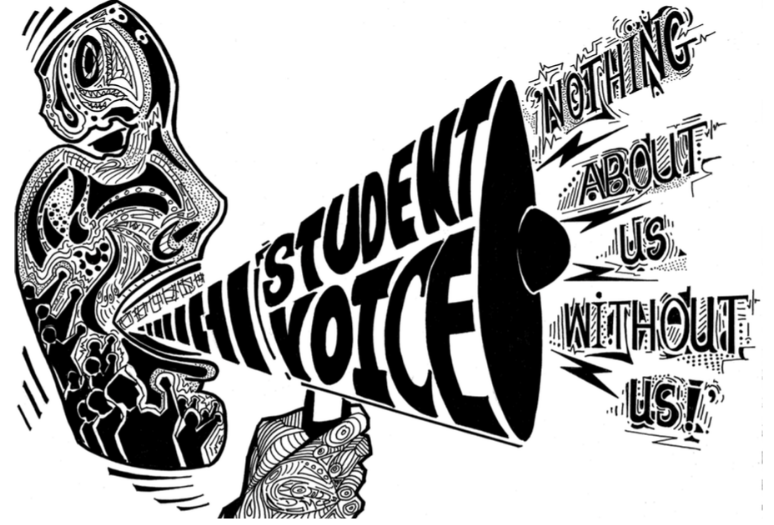
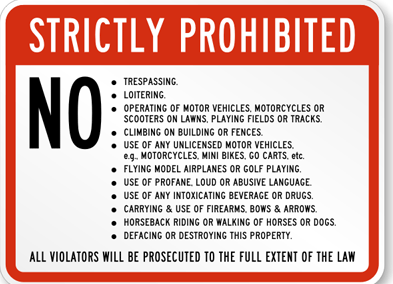
- LIMIT RULES AND RESTRICTIONS. Keep the list short and simple. Schools have a tendency to have dozens, or even hundreds, of rules in some giant, never read handbook. Like a good resume or cover letter, get it down to one page. Focus on the essentials and make sure that they are based on legal obligations and common sense/safety that students usually understand (and buy into). For example, dress codes should be based on essential common decency not style or fashion. Students are too smart to not understand that rules related to hair color or other preferences do not correlate well to learning. If you ban cell phones vs. figuring out how to incorporate, integrate and manage professionally, then you’ll never get it.
- ACCESSABILITY. All the school personnel should be personal and accessible. Allow, even encourage, students to communicate in any way that works (text, instant messaging, calls, chats, etc.). Why are our cell phone #’s so sacred? What can someone do with it that is so scary? If it freaks you out, go Google Voice. Either way, if you use text and messaging (social media applications), you will increase the open lines of communication leading to better trust, relationships, sharing and culture.

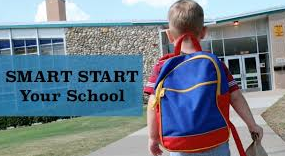
- SMARTSTART YOUR SCHOOL. If the first day of school sucks, where does one go from there? Many students, even in high school, anticipate the beginning of each school year and are excited that it might be different. Maybe it will be engaging, interesting and relevant this time around. This excitement or anticipation usually dissipates as they come to school and are inundated with long talks and preachings about rules, expectations, syllabi and more. What if that first day, first week and beyond were about the opportunities, the possibilities, the projects, the people and more? Think about creating a culture that facilitates academics vs. jumping into academics. What if schools focused more on what students can do vs. what students cannot do? http://bit.ly/SmartStartYourSchool
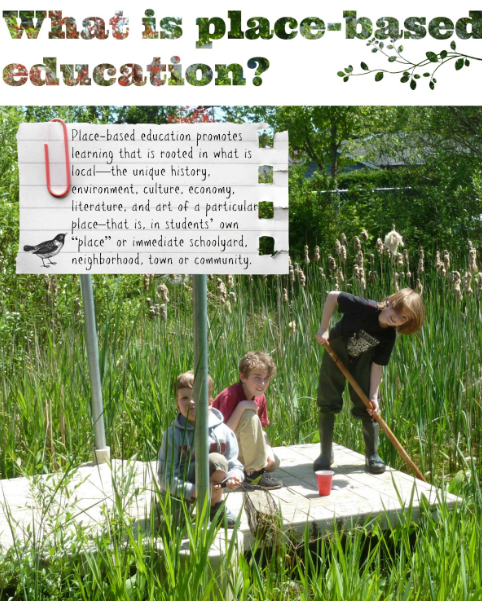
- EXPAND THE WALLS OF THE CAMPUS. Our gates or fences need to also be literally and figuratively transparent in our schools. Our students should see lots of people in addition to their peers and teachers on campus each and every day. These include, but are not limited to career professionals, guest speakers, mentors, entrepreneurs, non-profit pioneers, community leaders and more. Additionally, our students should be off campus a great deal as well. They need work-based, place-based and community-based experiences to not only define their learning, but provide necessary context, contacts and community.
- ALL STUDENTS NEED TO BE LEADERS, EXPERTS and FACILITATORS. All of our students need opportunities to pursue their interests and career goals. They need multiple opportunities to research, collaborate, present, partner, pitch, ideate, problem solve and more…..all in an effort to create a digital portfolio of work and accompanying badges, certificates and skill mastery. All students need to have some role or responsibility on campus and all students need to participate in showcases/exhibitions. It’s up to the school to find each and every student these opportunities relevant to them and their specific educational path. We cannot relegate student leadership positions to the traditional (sports, student government, clubs and the arts). We need to create new leadership positions on projects and in specialized applications.

- TO HELL WITH THE BELLS. This is intended to be literal and figurative. Nothing seems more antiquated and old school than bells. Haven’t we taught students the hands on a clock at an early age? Bells say factory. If you need a reminder, use music or something fun. But to me, bells don’t make people on time, Importance, urgency, buy-in, involvement and engagement make people on time.

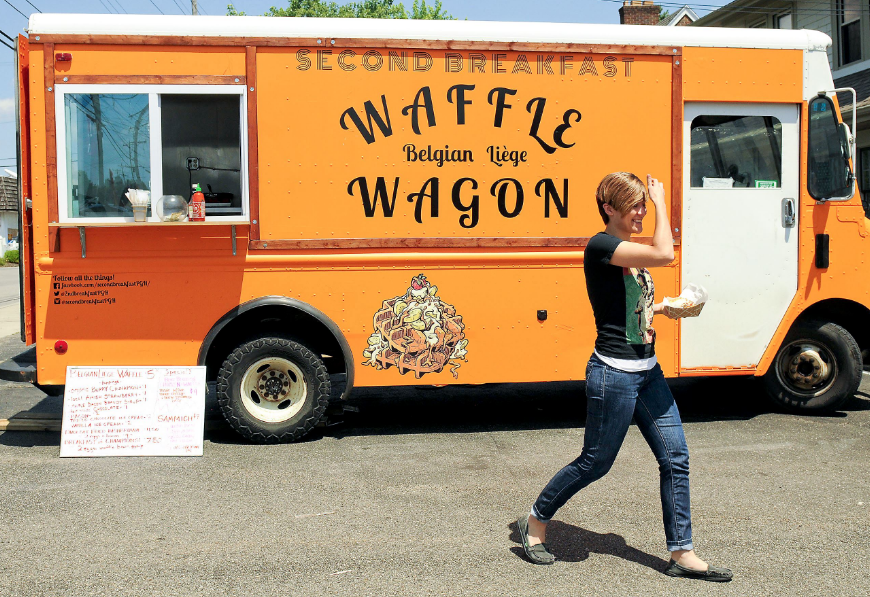
- FLIP THE FOOD, FLIP THE FEEL. Our cafeterias and snacks bars need to be more like Food Trucks. Our libraries and media centers need to be more like Starbucks. Our classrooms need to be more like contemporary work spaces. Our administrative offices need to be more like Hospitality or Concierge centers instead of places of doom and gloom. This is more than just trying to compete with the outside world. It’s about making everything in our schools inviting. When we want to be somewhere, we are more engaged, perform better and respect it more. My former high school had a drum set in the office, several meat smokers on campus, decaf coffees in the library space and more.
- THE GEAR - GO BIG, GO PRO AND GO NOW. Yes, we have budget limitations. But we also seem to purchase things that are just not current or sexy. All of our programs need to have current technology and applications. Music needs to have the kickass sound system. Culinary needs the commercial oven. Art needs the studio space. Whether it’s grant writing, corporate or community donations or something else, we need to find a way. Our schools need to have cutting edge equipment that students do not typically have at home. We need anything and everything to produce creativity and inspire innovation - this includes, but is not limited to 3D printers, plasma cams, robotics, digital video tools and applications, audio gear and so much more.
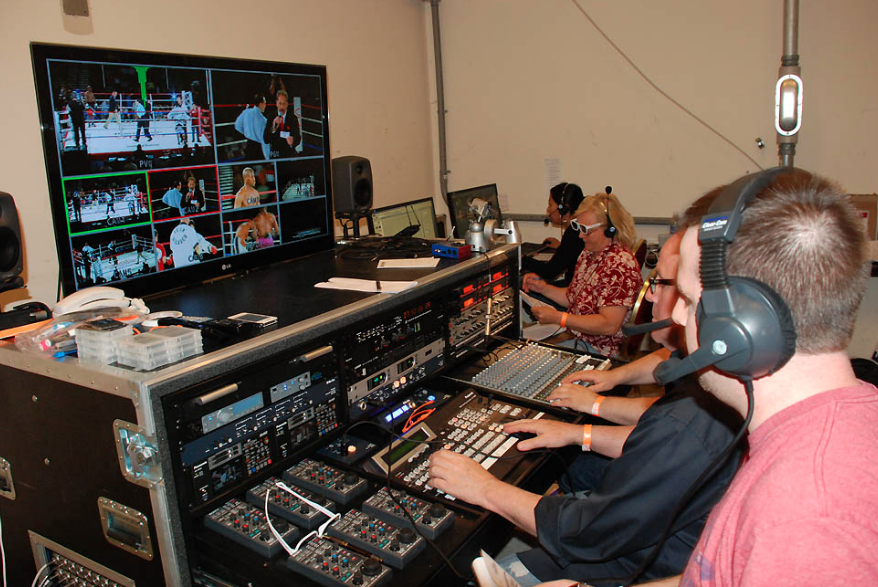
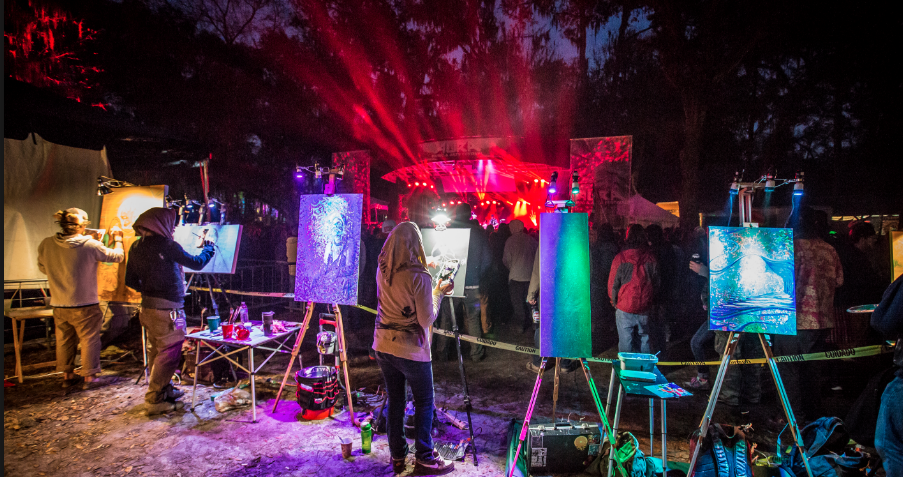
- BEYOND THE GAME…..MORE THAN THE DANCE. For far too long, our social options in school have primarily been limited to athletic events and school dances. These are probably not going away, but do not appeal to everyone and generally don’t have long-term applications for our future professionals. But what if all of our schools had student art exhibitions and art hops, student project showcases, car shows, student film festivals, niche guest speakers, rock concerts, unplugged acoustic nights, culinary competitions and non-profit just to name a few? What do most of us like about college or our communities? It’s specialized, unique events that appeal to our interests where we often can even play a role. If our schools are the cultural hub of our student communities, make them reflect the student community. Prom might be a tradition, but it’s not something sustainable for the rest of our lives.
- MIX IT UP, CHANGE IT UP AND KEEP IT FRESH. We know that students, just like all humans, depend on certain levels of structure and predictability. The challenge is that structure and predictability are contrary to the 21st century skills such as creativity and deeper learning. So many things in school become so institutionalized that they are engagement killers. Everything including, but not limited to our schedules, courses, classrooms, assignments, projects, furniture, events and more need can be up for grabs in terms of intentional deviation. The book Who Moved My Cheese? can become a handbook on how to do this. A few examples from my past include reversing the daily schedule (backwards days), taking those “lame duck” days before vacations and scheduling inter-session courses or mini electives, allowing students to take over the school’s social media accounts, teachers swapping classes for the day/week, moving the location of classes….you get the idea.

It’s time to redesign the entire definition of school. Students, parents and educators are realizing that real learning often happens outside of school. We need to bring that to school. School needs to look and feel very differently from how we have traditionally known. If students think school sucks, we owe it to them to create a place that doesn’t suck. If we do, learning and success will more likely follow..
(photos courtesy of Foter, Getty, Pixabay, iStock Images)
 |
| A CONQUEROR |
Last year batch of the National Youth Service Co-op are finally through with their service, we welcome all corpers back. congrat!!!


Rariya a news station repoted this on their platform, located in GASAU, This is bad.

It also disclosed that about 24 rivers will be dredged as part of the proactive measures to mitigate against flooding in the state.
Commissioner for Environment and Water Resources, Mr. Isaac Ishola ordered the removal of the illegal structures at Ojoo Round-about, Ojoo Area in Ibadan while monitoring the weekly environmental sanitation exercise within the State capital.
He said “Government places more priority on the cleanliness of our environment. We will not allow any person or group of persons to jeopardize our efforts in ensuring a clean, healthy and sustainable environment.
“We have received several letters from Ojoo Police Station that the said illegal market is a security threat”.
He noted that the rivers have been approved for dredging through the World Bank assisted project, Ibadan Urban Flood management, stressing that the measures are part of the action taken by the government in preparedness for the heavy downpour.
He explained that the ongoing sensitization is to ensure total compliance with the environmental sanitation rules and regulations to educate the citizens on the need to avert flood.
He admonished the people towards poor attitudinal change on environmental cleanliness by ensuring that the generated waste is kept according to the government’s policy on waste collection, urging that people should desist from dumping refuse into the drainages during raining and stop erecting kiosks on culverts to allow free flow of water.
source: dailypost.ng

The new range sees the Killington and Amherst updated with Sesnsorflexx technology, which featured advanced three-part outsole for stability, cushioning and flexibility that’s perfect for roaming the city and summer weekends at festivals.
Head over to the shoe selling shop and get the SS17 range now.
Why savers are losers and spenders are winners in the modern economy

When it comes to getting rich, so-called experts are full of advice on how to save your way there. There’s no shortage of articles about couples who saved their way to $1 million or “expert” tips on how to save more money.
And these articles are true. You can save more money following their advice. But you have to consider the cost. Because the saver mindset is a very different and dangerous mindset about money than how the rich think about money.
All you need is a million?
Take for instance the couple, Carl and Mindy, who saved $1 million on four years. Their instincts were right.
“I was having this horrific day at work,” 42-year-old computer programmer Carl told Farnoosh Torabi on an episode of her podcast. “I was 38 at the time, and I'm like, 'There's no way I can do this until I'mr 62 or 65 or whatever age people normally retire at.”
Many people feel trapped in their jobs but do nothing about it. Congrats to them for taking action. But in the end, it is still the action of a poor-person mindset about money.
The couple started by analyzing their spending habits. “My wife and I wrote all of our expenses in a book,” Carl explains on their blog. “Every time we returned from shopping or paid a bill, we logged it.”
Based on their logs, they determined they could live on $24,000 a year. To be safe, they added a $6,000 cushion and bumped that estimate up to $30,000 a year.
To get there, they decided they needed $1 million saved up to retire by age 42. To achieve this, they did the standard saver playbook: they downsized and cut expenses, while working side jobs and investing in their personal residence and the stock market. read more
by www.richdad.com


 Hello, my name is Jack Sparrow. I'm a 50 year old self-employed Pirate from the Caribbean.